10 Super Smart Ways to Bring Out the Beauty of Wood Floors
:strip_icc()/farmhouse-style-room-modern-furniture-28f96dc1-fa7b6816214d458ca579de11d5e44fd1.jpg "10 Super Smart Ways to Bring Out the Beauty of Wood Floors")
Wood floors—whether hardwood, laminate or wood-looks such as luxury vinyl planks—are a popular choice across homes of all styles. This versatile flooring option is a favorite for both its practicality and good looks, bringing beautiful texture and a sense of warmth to kitchens, living rooms, entryways, bedrooms, and more.
The natural material makes a statement in nearly any space, leaving many homeowners to wonder how to decorate with wood floors. Because this surface material is so prominent, you’ll want to make sure to choose wall colors, furniture, and accessories that coordinate with your wood floors.
You don’t have to match every element exactly to achieve a cohesive look. By following a few simple design tricks, you can enhance the timeless appeal of your wood flooring while incorporating your personal style. Use these decorating ideas for wood floors to play up this sought-after feature.
1. Choose a complementary color palette.
Picking the right color scheme for wood floors can be challenging. To start, identify the undertone of your wood floors. They might have hints of yellow, orange, red, gray, or brown. Once you know this, use the color wheel to pick complementary colors. For instance, blue tones can balance yellow or orange wood, while green pairs beautifully with true brown hues. Explore these concepts further with our guide on wood tones and color.
2. Vary materials across furniture and accessories.
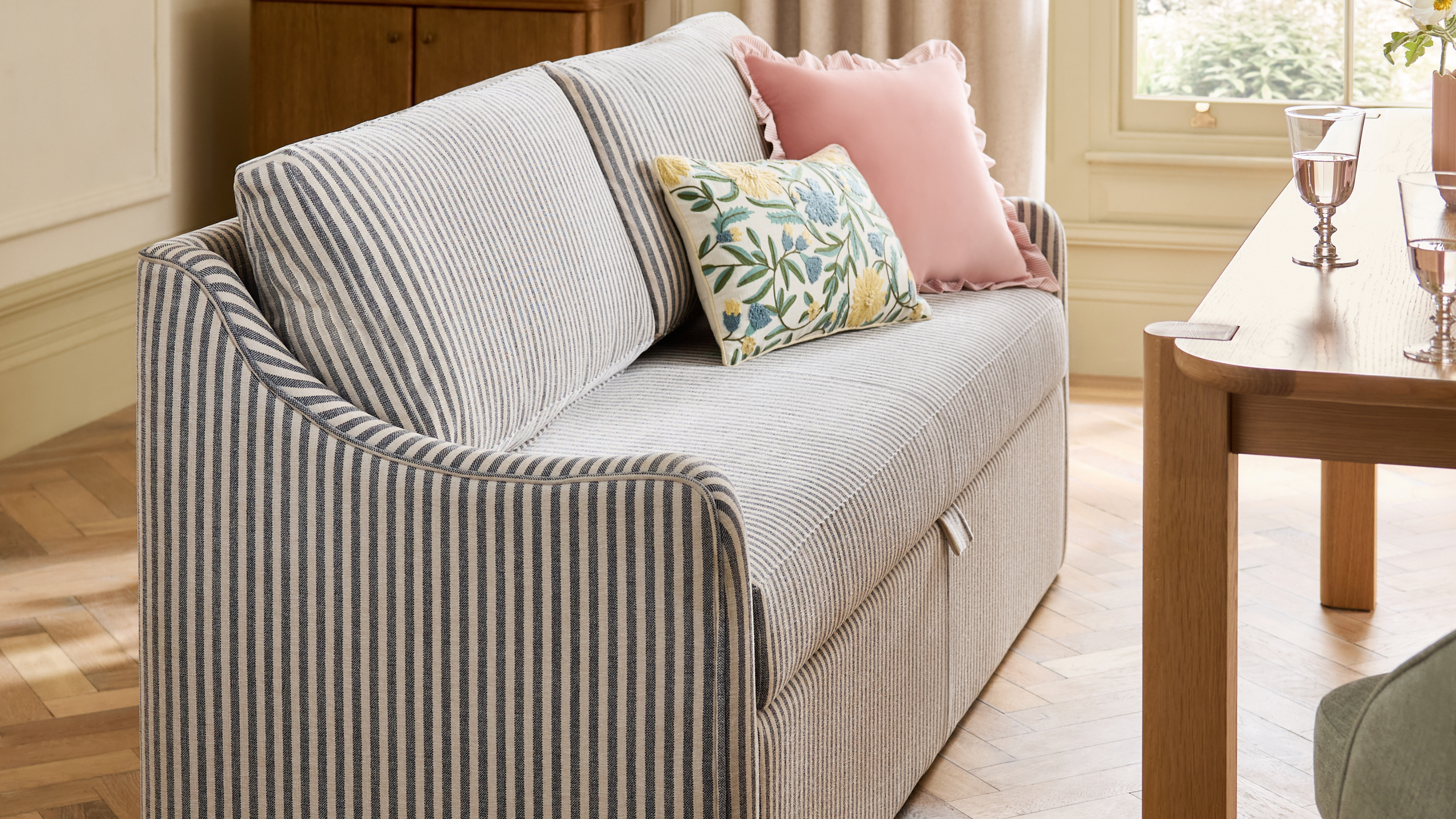
Rooms featuring both wood flooring and furnishings can feel stark. Mix in materials such as woven fabrics, leather, metal, or painted surfaces to create warmth and texture. Consider upholstered furniture, metal accents, or even concrete elements. Small wooden touches, like furniture legs or picture frames, can subtly tie everything together while preventing a monotonous look.
3. Continue wood floors throughout rooms.
In homes with open floor plans, maintaining consistent wood flooring throughout the rooms creates a seamless, appealing look. This continuity makes cleaning easier, too. Use area rugs and thoughtful furniture placement to define and accentuate different spaces within this unified aesthetic.
4. Soften wood floors with rugs.
While wood floors have a warmth carpets lack, they can be hard on your feet over time. Softening these floors with area rugs can provide comfort and style. Rugs also help define different areas within a large space, pulling seating areas together to make a room feel cohesive. Plus, with the right rug, you can reduce noise in your home, making it a more peaceful environment. Consider a stylish rug that complements your wood floors.
5. Accentuate modern wood floors.
Wood flooring’s natural beauty suits any interior style, making it a great choice for modern spaces. It can add warmth and contrast to sleek kitchen surfaces. Choose a rustic wood in warm honey tones for texture, or opt for sleek hardwood with a tight, refined grain to maintain a modern aesthetic.
6. Mix wood tones between floors and furniture.
Forget the idea that all wood tones must match. A modern design approach embraces mixing different stains and grains. This creates a lived-in look that feels curated. Combine wood floors and furniture with diverse textures, but aim for similar undertones, such as gray or yellow, to maintain harmony.
7. Use texture to balance wood floors.
Balance the visual weight and firmness of wood with softer fabrics and area rugs. To contrast the hard surface, consider natural linen, wool, or nubby cotton to add softness. The windows are another opportunity to bring in texture like bamboo roller blinds or an open weave fabric in drapery panels. It’s all part of making a room feel layered and cozy.
8. Lighten up dark wood floors.
In a kitchen with dark floors, it’s nice to use a painted finish on the cabinetry to avoid the wood-on-wood look. Other choices that can help brighten up dark wood floors are dressing the windows with curtains that allow natural light to wash into the room. Light or white painted walls can brighten a room with dark floors. Likewise, an area rug is another tool you can use to interrupt an expanse of dark wood flooring.
9. Consider wood flooring as a neutral.
Treat wood floors that lack intense yellow or red undertones as a neutral. With this type of wood flooring, you can feel free to layer furniture and accents in your palette of choice. In this dining nook, the beauty of wood floors is exposed by the purposeful elimination of an area rug and the lighter upholstered chairs and unique rattan pedestal dining table that sit on top.
10. Bring in bright colors.
Take the spotlight away from wood floors by layering in painted pieces. In this cheerful kitchen, for example, a painted island and brightly colored bar stools pull the eye up and away from wood floors. This brings the focus to the colorful accents. Work around unattractive or damaged floors you might have inherited by employing the same tactics of artful distraction.
How to Refinish Old Wood floors
Wood floors require maintenance. They scratch and show stains with use and time. And like any decor decision, the stain finish that was popular 20 or 30 years ago probably looks really out of date with your personal style. If you’re looking at your floors thinking, It’s time, then let’s figure it out.
If refinishing hardwood floors is in your future, there’s a lot to consider. Should you hire a professional or DIY? Do you have the tool IQ and experience to do a competent job? And if you hire help, just how much will it cost to refinish those hardood floors? Skill and budget are always part of the decision process.
The process of refinishing wood floors is fairly straightforward: Refinishing starts with removing all furniture, window treatments, and rugs. Then, the floor is checked for any large holes and cracks, which can be repaired using wood filler. Floors are sanded to remove the current varnish, seal, and stain, and once the bare wood and natural grain are visible again, floors are buffed to remove any sanding marks. You can apply fresh stain or vanish, followed by a coat of sealant. Of course, staining isn’t always necessary, but doing so can refresh the color and give the room a new look.
link

:max_bytes(150000):strip_icc()/green-wall-living-room-2494701-houst47171-2000-505ad339d5da4c40a14c3313bc3d5dcd.jpg "We Can All Agree This Decorating Trend Doesn’t Need A Comeback")
:strip_icc()/091401781_preview-31b6263da01844dd9c8c0fa826ca959b.jpg "10 Brass Decor Ideas to Try in Your Home")